
Shape-Shifting as the Core Puzzle
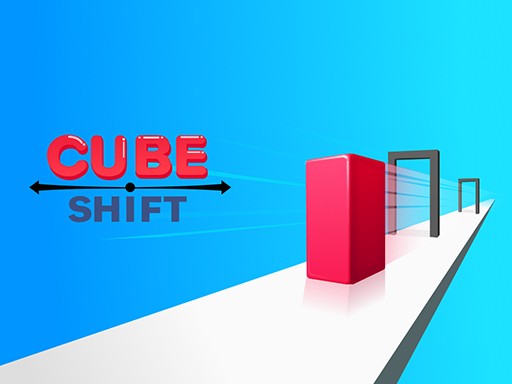
Cube Shift Online Puzzle Game builds its challenge around a single action: changing the cube's form to fit the gap ahead. Each click or tap cycles the cube into a different shape, such as a square, rectangle, or triangle. The puzzle lies in reading the obstacle before you reach it and selecting the correct form in time. A narrow vertical slit demands a tall rectangle; a horizontal opening calls for a wide shape. There is no combat, no timer pressure beyond your own reaction speed, and no complex controls to learn—just shape recognition and quick decisions.
How Obstacles Create Difficulty
Levels introduce fresh obstacle patterns rather than simply speeding up the same gaps. Early stages show obvious cues, letting you learn how each shape maps to a specific opening. Later patterns combine different gap orientations in sequence, so the shape that worked a moment ago becomes the wrong choice for the next passage. Visual cues appear before each obstacle, giving you a brief window to plan. The progression is gradual: master one pattern, then face a variation that tests whether you truly understood it or just memorized the last answer.
Controls and Session Length
Interaction is limited to a mouse or touchscreen. One input changes the cube's shape; the challenge comes from choosing when to change and which form to pick. Because the game runs in a browser and loads instantly, it suits short breaks—a few levels, a quick attempt at a tricky pattern, then back to your day. There is no need to install anything or create an account, which keeps the focus on the puzzle itself.
Who This Puzzle Suits
The game targets players who enjoy light problem-solving without steep difficulty curves or mature themes. Its colorful graphics and smooth animations keep the experience pleasant rather than stressful. Families can play together, and younger players can grasp the shape-matching idea quickly. Experienced puzzle fans may find the early levels simple, but the later obstacle combinations reward precise timing and pattern recognition. If you prefer puzzles that demand careful planning over fast reflexes, this one leans toward the reflex side—but the thinking never disappears.







Editorial Notes