

Piecing Together the Story
Mystery Trail Logic Quest builds its narrative through puzzle-solving rather than cutscenes or dialogue. The central question—what happened to several missing individuals—unfolds only as players complete each challenge. Every solved puzzle adds a new fragment of information, and the game expects players to think about how those fragments relate to one another. There is no reliance on jump scares or unsettling imagery; curiosity and the satisfaction of connecting details drive the experience forward.
Exploring Interconnected Spaces
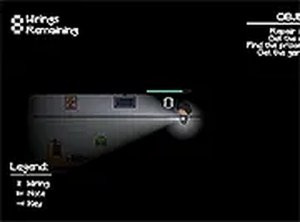
The game world is made up of linked rooms and corridors. Players move a character through these areas, interacting with objects and scanning the environment for hidden details. Each space presents its own set of tasks, ranging from pattern recognition to object association. Clues are not always placed where you might expect, so thorough examination of each room pays off. The controls are intentionally simple—click or tap inputs—so younger players can navigate without struggling with complex commands.
Puzzle Types and Difficulty Curve
Challenges include matching exercises, basic deduction problems, and tasks that require combining items in creative ways. Later puzzles build on concepts introduced earlier, which keeps the difficulty rising at a steady pace. This structure means players are consistently challenged but rarely overwhelmed. The variety also ensures that different reasoning skills get exercised across the adventure, rather than repeating the same type of task.
Accessibility and Family Play
Visuals are colorful and welcoming, with clear text and icons. No dark or disturbing elements appear, making the game appropriate for children and adults playing together. An in-game hint system provides assistance when needed, so progress does not stall. Because challenges rely on logic and observation rather than speed or reflexes, family members can discuss clues and solve puzzles cooperatively. The overall tone reinforces persistence and careful thinking as the path to rewarding discoveries.









Editorial Notes