

Pairing Tiles on a Fruit Board
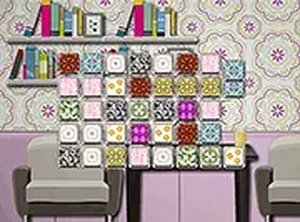
Orchard Match Tiles presents a board filled with fruit icons such as apples, oranges, and strawberries. The goal is to remove every tile by selecting two identical pieces that are free to move. A tile counts as free when it can slide left or right without obstruction from neighboring tiles. This single rule drives the entire puzzle: each valid pair reduces board clutter and opens new options.
How Layouts Shape Decisions
Each stage introduces a new arrangement of tiles, shifting from straightforward rows to more intricate patterns. As players progress, layouts demand closer observation to identify which pieces are accessible. Some tiles sit partially beneath others, adding depth to decision-making. Because no timer or score multiplier exists, players can plan each move deliberately, often starting near edges or fully visible tiles and working inward.
Visual Style and Pace
Bright, distinct fruit designs make each tile easy to recognize, while the cheerful palette and smooth animations create a relaxed environment. The absence of penalties for slow play means beginners and experienced puzzle fans can approach the challenge without frustration. This methodical pace helps build pattern recognition skills and suits both quick sessions and longer play.
Tracking Progress Across Stages
The game records completed stages, giving players a clear sense of advancement. Each new level feels distinct due to unique tile layouts, encouraging replay. Progress is measured by stages cleared rather than by speed or score, reinforcing the game's focus on observation and deliberate pairing.








Editorial Notes