
How the Matching Works
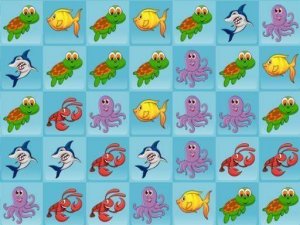
Each round presents a grid of face-down cards, with every card hiding a friendly zoo animal illustration. The player taps or clicks one card to flip it, then selects a second card. If the two animals are identical, the pair stays face-up. If they differ, both cards flip back after a short pause. The round ends when every pair has been found. This simple loop is the entire game, which is why even very young children can play without adult help.
Designed for Young Players
The interface uses large buttons and clear icons, so small hands and early readers can navigate independently. Colorful animal graphics keep each card visually distinct. The game contains no advertisements and no external links, so a play session cannot be interrupted or lead a child away from the game. Zoo Animal Memory Match does not require reading to play, and there are no timers forcing quick decisions unless the player chooses to track their own speed.
Progression and Gentle Challenge
Multiple levels introduce animals from different habitats, gradually widening the range of creatures a child must remember. Early levels typically use fewer cards, while later grids grow larger and demand stronger recall. The game may track moves and time, giving players a personal benchmark to improve against rather than a competitive score. This structure supports short, repeatable sessions that build concentration over time.
Where Memory Training Fits
Because success depends on remembering where each animal sits, the game naturally exercises visual memory and attention to detail. Children learn to scan the grid, hold positions in mind, and resist random flipping. Parents looking for a calm, screen-based activity with a clear educational purpose will find the format familiar and easy to supervise, while children get a puzzle they can finish in a few minutes.






Editorial Notes