

What SquareRunner Asks of You
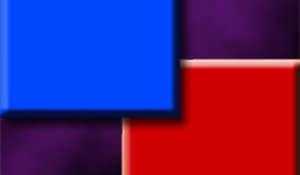
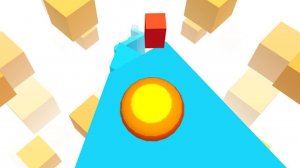
SquareRunner strips the arcade formula down to one decision repeated under pressure: move toward green, stay away from red. You control a blue square on a vibrant playing field. Green squares add to your score; red squares end the run immediately. There are no levels, no power-ups, and no complicated rules—just a single continuous session that gets harder the longer you survive.
Controls and Movement
Input is handled with a mouse or touchscreen, so the blue square follows your pointer rather than a keyboard. That makes the game accessible on desktop and mobile alike, but it also means precision comes from smooth, deliberate cursor movement. Jerky or oversized motions tend to put you closer to red squares than you intended. The lack of a jump, dash, or attack button keeps every failure attributable to positioning and timing.
[IMG_1]The Escalating Pace
The defining pressure in SquareRunner is acceleration. The game begins at a pace that lets you learn the layout and get a feel for how the blue square responds. As the session continues, the overall speed increases, shrinking the window you have to react to new green and red squares. Early on, you can chase green squares reactively. Later, you have to read the field ahead of your square and commit to a path before the situation changes.
Why Runs Stay Short—and Repeatable
Because a single red square ends everything, SquareRunner produces short, intense attempts rather than long campaigns. That structure suits quick breaks, but it also invites immediate retries: the next run always starts fresh at a slower speed. The clean, colorful presentation and responsive input keep the focus on the reflex challenge itself, and the absence of a fixed endpoint means your score is the only measure of progress.




Editorial Notes