
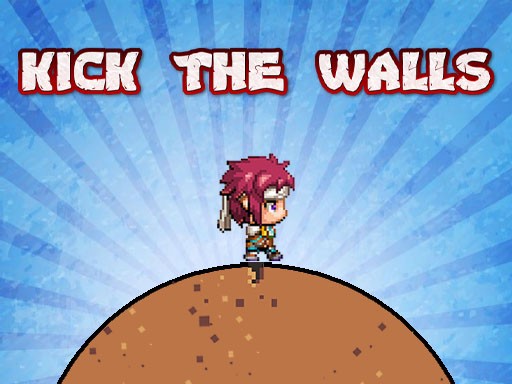
What the Game Asks of You
Wall Kick Arcade Challenge reduces arcade play to a single decision: when to kick. You control a character that moves forward and must kick a wall at the correct moment to avoid obstacles and continue. Tap or click too early and you hit the wall; too late and you miss the target. The only score source is a successful kick, so every input matters. There is no complex control scheme or rulebook to learn, which is why the game is easy to start but hard to keep clean.
How Difficulty and Scoring Interact
Early sequences are simple and forgiving, giving you room to find a rhythm. As you progress, the game increases speed and complexity, so the same timing window demands sharper reactions and sustained concentration. Because difficulty rises gradually, your score becomes a record of how long you held that rhythm. The main goal is not to finish a level but to push your own high score as far as your timing allows. [IMG_1]
Presentation and Session Length
Bright visuals and smooth mechanics keep the screen readable during faster sequences, which matters when a single mistimed kick ends a run. The game suits short sessions when you have a few minutes, and it can also fill a longer sitting because each attempt is quick to start. That flexibility is the main reason repeated play feels natural: there is little downtime between runs and no penalty for stopping.
Where Improvement Comes From
Consistency beats raw speed. A steady rhythm helps you read patterns before they fully appear, and short, regular practice sessions build the muscle memory that timing games reward. Staying calm prevents the rushed inputs that cause early or late kicks. Watching how patterns grow more complex is more useful than trying to react faster than the game.







Editorial Notes