
How a Round Works
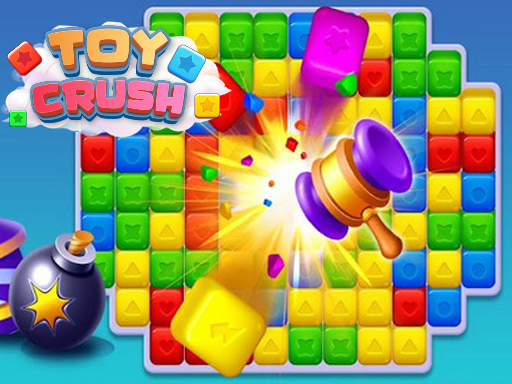
Each board is filled with cube toys in several colors. You tap a connected group of the same color to remove it, and the level ends once every required toy is gone. There is no timer, so you can study the layout before committing to a tap. That freedom matters because a careless tap can split a larger group you were saving for later.
Boosters and Board Planning
When a layout stalls, boosters provide extra clearing power. The game rewards saving them for genuinely difficult boards rather than spending them early. Effective play usually means clearing obstacles or special tiles first so that remaining colors can connect into bigger groups. Because groups must touch to be cleared together, the order of your taps shapes what is possible on the next move.
Difficulty Curve and Level Variety
Early stages keep arrangements simple and readable. Later stages introduce denser patterns and different objectives, so the same tap mechanic demands more forward planning. The difficulty rises without adding time pressure, which keeps the pace relaxed even when a board takes several attempts. New patterns appear as you advance, so consecutive levels rarely feel identical.
Presentation and Audience
The visuals lean on bright, cheerful cube toys, and clearing effects give immediate feedback for each successful match. Simple tap controls mean no tutorial-heavy learning curve. The family-friendly styling and absence of timers suit short casual sessions, while the later boards give puzzle players something to think about. It is designed for players who want matching puzzles they can pick up and put down without stress.








Editorial Notes