
Elevator Control and Timing
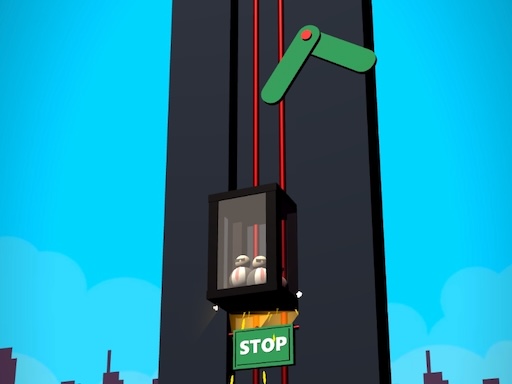
Descent Puzzle Challenge hands you control of an elevator moving downward. A single tap or click adjusts the rate of descent. The core tension comes from timing: you must slow the elevator before it reaches an obstacle, because a collision ends the run. Each level is cleared by reaching the lowest point without crashing. The mechanic is simple to grasp, but the required precision makes every descent a test of focus.
Obstacle Patterns and Difficulty Curve
[IMG_1] Obstacles appear along the vertical path and become more frequent and varied as you advance. Later levels demand earlier planning and faster reactions, since the window for slowing down narrows. The progressive difficulty keeps the challenge steady rather than spiking suddenly, which suits both short casual sessions and longer attempts at a flawless run. Because obstacle patterns change between levels, each descent feels different.
Who This Game Suits
[IMG_2] If you enjoy puzzle games that reward precise timing over complex controls, this fits well. The one-tap input makes it accessible to newcomers, while the increasing obstacle density gives experienced players something to master. Sessions can be as brief as a few minutes or stretched into a longer practice block. The compact loop of descend, react, and retry is what drives replay value.
Practical Tips for Clean Descents
[IMG_3] Start slowing the elevator slightly before you think you need to; waiting until the obstacle is close usually leads to a crash. Watch for changes in obstacle spacing rather than fixating on a single object. During longer play, short breaks help maintain the concentration that precise timing requires. Reviewing where you collided is more useful than immediately restarting, because it reveals the pattern you missed.









Editorial Notes