
Visual Clarity and Its Effect on Play
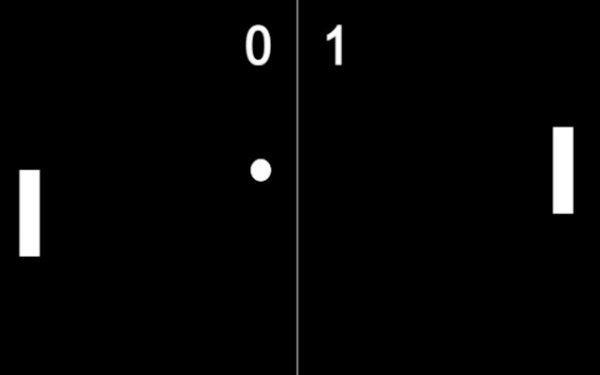
Ping Pong Reflex Trainer strips away color entirely, using a black-and-white palette with flat shading and clean lines. That choice is not just stylistic. By removing background detail, the game forces your eyes onto the ball and the paddles. In a genre where split-second reads decide points, fewer visual distractions mean faster tracking and less eye strain during long rallies. The result is an aesthetic that feels simultaneously retro and modern.
The Serve-to-Point Loop
Each match starts with a serve, then shifts into rapid exchanges. Your paddle moves horizontally across the screen, and the ball rebounds off walls and paddles with consistent, predictable physics. The real challenge is reading the ball's trajectory early enough to position yourself before it arrives. Points end when the ball slips past a paddle, and the first player to reach the target score takes the match.
Input Response and Return Angles
Whether you use a mouse on desktop or touch on mobile, the controls respond instantly. There is no acceleration curve or input lag, so every pixel of paddle movement maps directly to your hand. That directness keeps the game approachable for newcomers while leaving room for advanced techniques. Experienced players can angle returns by striking the ball with a moving paddle, which changes the rebound direction and puts pressure on the opponent.
Rally Pacing and Session Length
Rallies tend to be brief but intense, often lasting only a few seconds before a point is decided. The fast pace means minimal downtime between serves, which suits short breaks but also encourages extended play when you are chasing a better result. Improvement comes from spotting patterns in the ball's behavior and your opponent's positioning. Beginners often rely on pure reaction; stronger play involves predicting where the ball will be and moving preemptively.





Editorial Notes