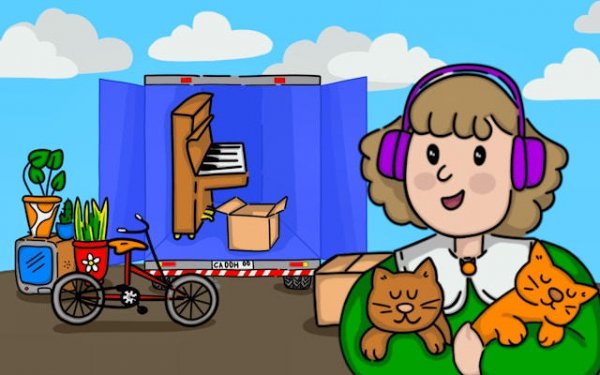
Space Fitting Puzzle: Arrange Your Belongings
Reviews
This game stands out for its peaceful approach to puzzle solving. The lack of timers removes stress, letting players focus on the logic of fitting items together. Each level feels like a new brain teaser, with objects that require creative placement. The clean visuals and gentle music support a relaxed experience. It is a solid choice for anyone who enjoys thoughtful, low-pressure challenges that exercise spatial reasoning without demanding quick reflexes.
About This Game
Core Puzzle Mechanics
At its heart, this game revolves around fitting a collection of differently shaped objects into a designated rectangular space. Players select each piece and slide it into position, with the option to rotate items for a better fit. Success depends on visualizing how the pieces interlock, similar to solving a physical jigsaw puzzle but in a digital environment. The challenge grows as the variety of shapes increases, requiring more thoughtful arrangement strategies.
Level Structure and Variety
Each stage introduces a new scenario with a distinct set of belongings. Some levels feature long, narrow items like lamps or golf clubs, while others include bulky boxes or fragile potted plants. This variety ensures that no two puzzles feel exactly the same. Players must adapt their approach based on the unique combination of objects, which keeps the experience fresh and mentally engaging.
Visual and Audio Atmosphere
The game presents a clean, friendly visual style with soft colors and simple character designs. The background music is gentle and unobtrusive, creating a relaxed mood. This calm presentation helps players focus on the puzzle without distraction. The interface is straightforward, with clear buttons for selecting and rotating items, making it accessible to players of all ages.
Pacing and Accessibility
There are no timers or score penalties, allowing players to work at their own speed. This design choice makes the game suitable for short breaks or longer sessions. The difficulty ramps up gradually, so newcomers can learn the basics before facing more complex arrangements. The absence of pressure encourages experimentation, which is key to mastering the spatial reasoning required.
Strategic Approaches
Experienced players often begin by placing the largest objects first to establish a base layout. Rotating items to find their most efficient orientation is a common technique. When stuck, stepping back and trying a different order of placement can reveal new solutions. The game rewards patience and careful observation rather than quick reactions.