
Puzzle Types and Cognitive Skills
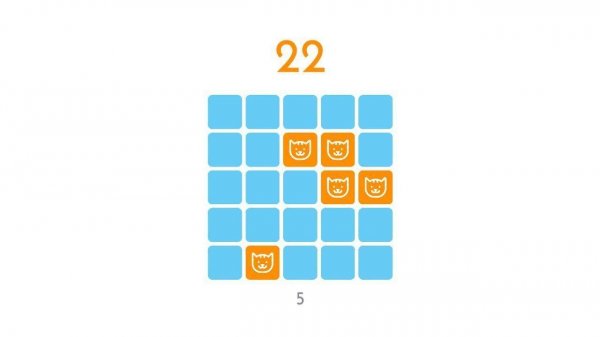
Mind Sharpener Puzzle Pack groups its challenges into categories that target different mental abilities. Pattern recognition puzzles ask you to spot repeating shapes or sequences. Spatial reasoning tasks involve mentally rotating or fitting elements together. Deductive logic puzzles require you to eliminate possibilities based on clues. Because each category exercises a distinct skill, switching between them keeps sessions varied and prevents reliance on a single thinking style.
How You Interact With Each Puzzle
Interaction is direct: you drag items, click sequences, or arrange elements into correct patterns. The game avoids lengthy instructions, so you can start solving as soon as a puzzle loads. Clear visual cues show what can be moved and where it might belong. This hands-on approach means the challenge comes from reasoning, not from deciphering controls.
Difficulty Curve and Hint System
Puzzles begin with simpler layouts that build confidence, then gradually increase in complexity. A hint system provides subtle guidance without revealing the full solution, so you learn the underlying logic rather than skipping ahead. This makes the pack suitable for beginners and experienced solvers alike. Families can work together, with parents and children taking turns on puzzles that match their comfort level.
Relaxed, Distraction-Free Design
There are no timers or scores to chase. The interface uses a calm color palette and minimal menus, reducing visual noise so you can focus on the puzzle itself. You can pause at any time and return later without losing progress. This stress-free structure suits unwinding after a busy day or using the game in educational settings where patience matters more than speed.









Editorial Notes