
Timing Jumps to the Beat
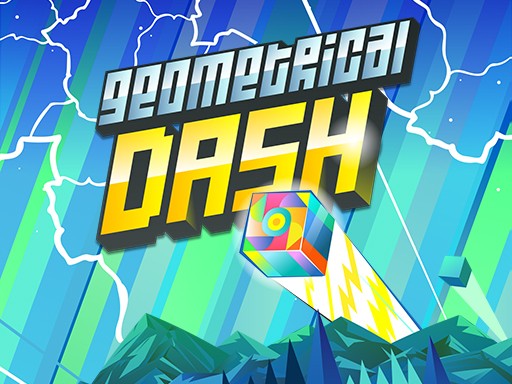
Geometrical Dash Rhythm Runner builds its challenge around one idea: your jumps should land on the beat. You control a single square, and every tap or click sends it into the air. Because the soundtrack drives the pacing, the music acts as a timing cue rather than background decoration. Players who listen closely can anticipate when a jump is needed instead of reacting purely on sight.
Obstacles and Level Hazards
Each stage is a compact maze filled with hazards. Spikes punish early or late jumps, gaps demand enough air time, and moving platforms shift the safe landing spots. The square moves forward continuously, so there is no room to stop and plan mid-run. Instead, you read the upcoming layout while tracking the beat, then commit to a jump. Levels grow more demanding as you progress, layering obstacles that test both reflexes and coordination.
Simple Controls, Steep Mastery
The input scheme is deliberately minimal: tap or click to jump. That simplicity lowers the entry barrier, but precision comes from repetition. A jump that clears one obstacle can leave you badly positioned for the next if the rhythm is off. Replaying a level is encouraged, since familiarity with a track's tempo makes its obstacle sequence easier to predict and eventually master.
Visual and Audio Presentation
Vibrant visuals keep the square and its surroundings readable at speed, while the music tracks carry the timing information you need. Different levels pair with different musical themes, which changes the feel of each run. The combination of bright geometry and rhythmic audio gives the game a consistent identity across its stages.






Editorial Notes