
Intercepting the Critter Stream
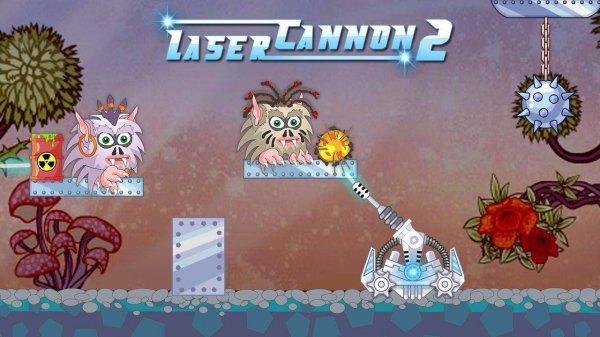
Glow Pursuit 2: Critter Dash Action is an arcade game where you control a beam of light that must tag a continuous stream of colorful critters. These critters travel across the screen in distinct ways: some hop, others glide, and a few roll quickly. Your objective is to intercept each one before it reaches the end of its path. Success depends on observing each critter's speed and trajectory, then moving the beam to the right place at the right time. The beam responds instantly to mouse or touch input, so the experience feels direct and responsive. Each stage presents a new arrangement of critters and paths, meaning no two attempts play out the same way.
Shifting Paths and Environmental Twists
Stages are organized into groups that gradually increase in complexity. Early stages introduce basic critter types and simple paths, giving you room to learn the controls. Later stages mix multiple critter types, add moving obstacles, and demand faster reactions. Some stages include environmental elements like barriers or conveyor belts that alter how critters move. You must adapt your strategy to each new setup, deciding which critters to tag first and when to wait for better positioning. This layered difficulty keeps the game engaging without becoming frustrating.
Visual Feedback and Scoring
The game uses bright, saturated colors and smooth animations to create a lively, inviting world. Critters have exaggerated features and friendly expressions, keeping the tone light and playful. Backgrounds shift between themed environments such as grassy fields, icy caverns, and sunset skies, adding visual variety without distracting from the action. Sound effects are crisp and cheerful, with each successful tag producing a satisfying pop or chime. After each stage, a brief celebration animation and score tally appear. The game tracks performance metrics like accuracy and speed, encouraging you to improve your results. Unlockable content may include alternate color schemes for the beam or decorative backgrounds.
Accessible Controls for All Players
The control scheme is intentionally simple: a single click or tap activates the beam. This makes the game accessible to young children and casual players who may not have experience with complex controls. The interface uses large, clearly labeled buttons and avoids cluttered layouts. Text is kept to a minimum, with most instructions conveyed through visual cues. The responsive controls reduce input lag, making the action feel fluid. This design philosophy ensures that a wide audience, including those with limited gaming experience, can enjoy the game.






Editorial Notes