
Building the Block Line
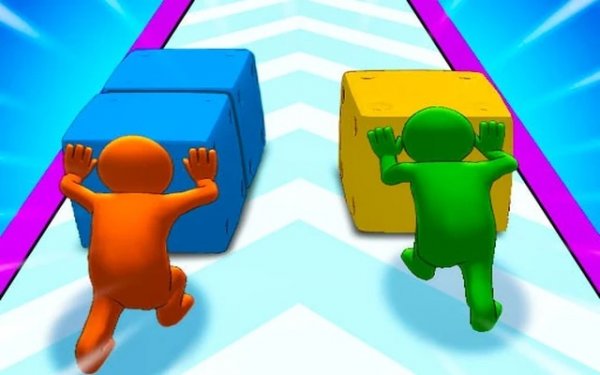
Color Block Dash hands players a simple goal: move a line of blocks from the start of a course to the finish. Scattered along each route are color gates. Passing through one appends a block of that color to your line, making it longer and more powerful. The trade-off is immediate—a longer line is harder to steer around tight corners and through narrow gaps. Deciding which gates to take and which to skip is the core decision that shapes every run.
Route Choice and Risk
Courses branch into multiple paths, each with its own gate and obstacle layout. A straight, gate-light route favors speed; a winding route packed with gates favors growth. Weighing collection against maneuverability adds a strategic layer to what could otherwise be a pure reflex test. Because there is no penalty for failure, players can experiment freely with different routes and strategies.
Visual Feedback and Atmosphere
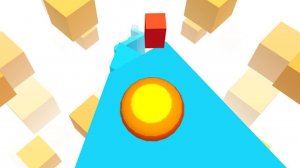
Bright, saturated colors define the blocks and environments, and each level uses a distinct palette to mark progress. The 3D perspective shows the upcoming path clearly, so route planning happens before the turn arrives. Feedback is immediate: adding a block makes the line shimmer and the score counter tick upward. The clean, uncluttered look keeps attention on the action and makes the game easy to follow for players of any age.
Two-Player Mode and Progression
A two-player mode puts each person in control of their own block line on the same course, played either cooperatively to clear obstacles or competitively to finish with the longest line. A split-screen view keeps both players informed. Completing courses unlocks cosmetic customizations for the block line, while high scores and completion times encourage repeated attempts. The low-pressure structure suits short casual sessions or longer family play.







Editorial Notes