
Puzzle Design and Logical Flow
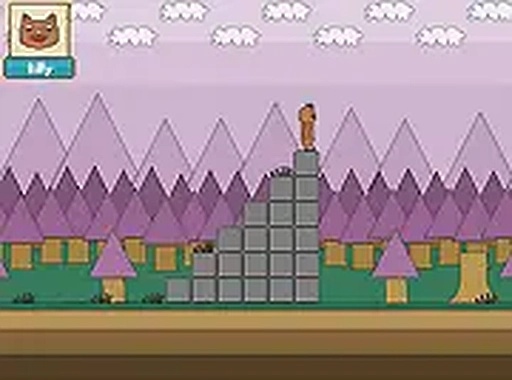
Each environment in Bonnie's Puzzle Escape Quest is built around a chain of interconnected puzzles. Players observe a scene, identify which objects can be interacted with, and work out the correct order of actions. The game rewards methodical thinking rather than quick reflexes, so there is no penalty for pausing to study a room. Every obstacle presents a distinct logical problem, and experimenting with different approaches is part of the process. [IMG_1]
Story Context and Motivation
The puzzle-solving is framed by a lighthearted narrative: Bonnie needs to rescue a friend from Carmel, a playful cat. That rescue mission gives each solved puzzle a clear purpose instead of leaving it as an abstract brain teaser. As players progress, more of the story is revealed, which provides a natural reason to keep going. The plot is simple enough for younger players to follow while still giving adults a reason to care about the outcome.
Interface and Visual Cues
The visual style is clean and colorful, with interactive objects highlighted so players can tell what matters. Directional cues offer guidance without revealing solutions, which keeps the challenge intact. The interface is designed for desktop use with mouse and keyboard controls, and a full-screen mode is available. The responsive layout adapts to different screen sizes for comfortable play. [IMG_2]
Pacing and Accessibility
There are no time limits or pressure to perform quickly. The difficulty curve is gentle, introducing new mechanics and more complex puzzles gradually as players grow comfortable. This makes the game suitable for children and adults alike, including players who prefer thoughtful problem-solving over fast-paced or competitive experiences.







Editorial Notes